Would you like to view this website in another language?

Avoid February Absence Chaos 2026| Half-term & Ramadan (UK)

employers or planners working on workforce absence management for holiday seasons

For many businesses, February is the most critical month for workforce planning 👉 not because any single event is “special”, but because several predictable absence drivers overlap. School holidays funnel holiday requests into a few short weeks, Carnival creates intense local demand for time off on specific peak days, and Ramadan can temporarily shift shift preferences and workload peaks in some teams. Together, that creates a systemic risk: lots of requests at once, less flexibility in the rota, last-minute absences, and a sense of unfairness (even when you’re trying to be consistent).

Why February so often spirals

February isn’t a “normal” month. It combines multiple absence drivers that reinforce each other:

  • School holidays: concentrated demand for full weeks off
  • Carnival (region-specific): peak days with heavy demand for time off
  • Ramadan (team-dependent): temporary shift preferences and workload changes
  • Winter illnesses: a higher baseline risk of short-notice sick leave
  • Start-of-year uncertainty: processes not fully bedded in yet, new teams, new budgets

💡Key takeaway: February doesn’t become chaotic because Carnival, Ramadan or school holidays exist — it becomes chaotic because they land at the same time and businesses treat them like ordinary weeks.

The core issue: overlapping absences

“Overlapping absences” describes the planning risk that occurs when several manageable absence factors fall within the same time window and exceed the buffers you have in place. This typically leads to three effects:

  • Demand spike: lots of holiday requests at the same time (school holiday weeks)
  • Loss of flexibility: fewer shifts you can swap or rebalance (Carnival peak days, Ramadan preference patterns)
  • Absence volatility: more short-notice sickness absences (winter + peak strain)
Driver Typical effect Why it tips in February
School holidays Planned multi-day absences Several people in the same team are away for full weeks at the same time
Carnival (region-specific) 1–3 peak days with high demand for time off Peak days land in already-thinned-out school holiday weeks or right before/after them
Ramadan (team-dependent) Shift in shift preferences Your planning headroom shrinks just when minimum staffing is already tight
Winter illnesses Short-notice absences Any unplanned absence hits harder when capacity is already reduced


Key dates in February 

Reliable planning starts with fixed dates. Lock these into your calendar and flag them internally as potential “high-pressure” periods.

    • England (most areas): spring half-term is commonly Monday 16 February to Friday 20 February 2026 (many schools return Monday 23 February). Exact dates can vary by local authority, academy status, and inset days.

    • Scotland: February breaks vary by council, so check local term dates for your area.

    • Northern Ireland: mid-term closure dates are Thursday 12 February and Friday 13 February 2026 (some schools may differ, so verify locally).


    • Shrove Tuesday (Pancake Day): Tuesday 17 February 2026 — not a public holiday, but it can drive local events and shift requests in some teams.

    • Ash Wednesday: Wednesday 18 February 2026 — start of Lent; may affect availability for some employees.

    • Expected start: Wednesday 18 February 2026

    • Expected end: Thursday 19 March 2026
      Dates can shift by 1 day depending on moon sighting. For planning, the key point is that the first fasting week can overlap with half-term and other mid-February peaks.

Managing February peaks operationally: peak days, not gut feel


In February, the predictable pressure points (half-term, seasonal sickness, local events and big weekends) that hit your rota all at once. Treat them as measurable peaks, not “just a busy week”.

Typical escalation patterns:

  • Holiday requests piling up on the same dates

  • Informal expectations (“Everyone’s off in half-term week, obviously”)

  • Sickness spikes after requests are declined

  • The same people carrying the load year after year

Concrete control mechanisms:

  • Define peak days/weeks: block out half-term week(s) and any known local hotspots (major events, match days, big trade weekends) in your annual calendar

  • Set time-off caps per shift: e.g., maximum 30–40% off per team/shift

  • Document rotation: if someone had priority last year, they typically go later in the queue this year

  • Avoid one-off decisions without a clear rule: otherwise every “no” feels arbitrary

👉 Example: A hospitality business treats the February half-term weekend like an internal peak period. Minimum staffing is higher than on normal weekends, and holiday approvals run strictly on rotation.

Sickness around peak periods: plan realistically, stay compliant

A classic February pain point is an increase in sickness absences around peak weeks (especially when half-term and high workload collide).

Why sickness absences can increase

  • High physical strain from long shifts and poor sleep

  • Winter colds and flu circulating

  • Too little recovery time when overtime and peak demand overlap

⚠️ Important: sick is sick. Employers shouldn’t automatically doubt sickness reports because of timing — and shouldn’t mix “holiday frustration” with sickness management. That’s exactly why you need realistic absence assumptions and cover plans before you’re in crisis mode.

What employers can do

  • Build in buffer: don’t plan as if you’ll always have full attendance

  • Mark risk periods: treat peak weeks as higher “absence volatility” in the rota

  • Keep flexible cover options: relief staff, bank staff, on-call support for peak phases

  • Keep communication separate: don’t blur holiday decisions and sickness processes, and avoid insinuations

🕌 Planning Ramadan fairly: sensitivity without singling people out

During Ramadan, many practising Muslims fast from dawn until sunset, abstaining from food and drink. Fasting is one of the five pillars of Islam. Some people are exempt (for example, pregnant people, those who are breastfeeding, and those who are ill).

Ramadan isn’t an automatic legal special rule, but it can be operationally relevant — especially where shifts are physically demanding or workload peaks late in the day.

Typical impacts on the rota:

  • Preference for earlier shifts, or later shifts that avoid the most physically demanding peaks

  • Lower energy in late afternoon for some people (not universal, but relevant for planning)

  • Changes in break needs

What tends to work well:

  • Voluntary check-in: gather shift preferences respectfully and voluntarily (no pressure to disclose personal details)

  • Temporary adjustments: set a clear time box (e.g., the first two weeks), then review

  • Share the load: distribute demanding tasks and peak-time duties across the team instead of shifting them permanently

  • Document decisions: record what rule was applied and why, so it stays transparent and consistent

Good planning prevents hidden overtime and reduces conflict because decisions feel fair and explainable.

📅 School holidays: a predictable conflict with high emotion

School holidays regularly create tension between employees with and without school-age children. The issue usually isn’t one request — it’s clustering: whole teams want the same weeks off.

Typical conflict lines:

  • Multiple parents requesting the same dates

  • A feeling that certain groups get priority

  • Chronic understaffing during school holiday weeks

Structural ways to solve it:

  • Treat half-term blocks as peak periods from the start — not “we’ll see what happens”

  • Combine criteria: use social considerations and rotation together

  • Holiday windows: limited approval corridors instead of one-off decisions

  • Cut-off dates: clear deadlines after which remaining slots are allocated using transparent rules

--> When it all lands at once: how planning turns into a bottleneck

Factor Planning impact Stable countermeasure
School holidays Lots of multi-day absences in the same weeks Weekly quotas, role-to-role cover, early cut-off dates
Local peak periods (events/half-term hotspots) Peak days with maximum demand for time off Peak calendar, rotation, higher minimum staffing, built-in buffer
Ramadan Shift preferences and workload peaks change temporarily Voluntary check-in, temporary adjustments, documented rules
Overall effect Understaffing, overtime, conflict, short-notice absences Standardised rules + transparent decisions + one central overview
ℹ️ Shiftbase tip: If you plan annual leave early, you can “bridge” around bank holidays and school breaks to get longer stretches of time off — without using loads of leave days. (The exact upside depends on where you are in the UK and which bank holidays apply to your nation.)

Why digital planning tools matter in February

The February bottleneck is rarely about willingness — it’s about lack of visibility. When several absence drivers overlap, decision quality drops fast if you don’t have one central overview.

What a good system gives you:

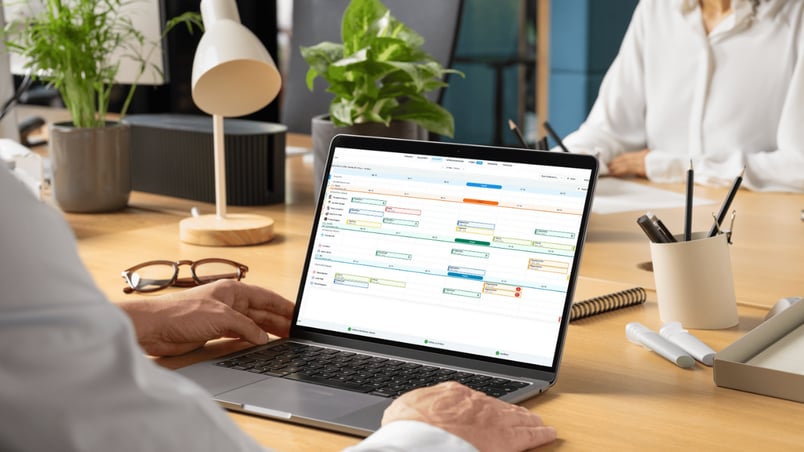
  • A single view of all absences (holiday, sickness, time off, training)

  • Early warnings when minimum staffing is at risk

  • Consistent, explainable holiday approvals

  • Controlled shift swaps (so cover doesn’t fall apart)

  • Clear tracking of overtime trends

That’s why many teams use Shiftbase: to stay in control during high-pressure months like February.


Conclusion: February is only chaotic if you underestimate it

Half-term, seasonal sickness and Ramadan aren’t surprises. They only become a risk when businesses treat them like ordinary weeks. Clear rules, structured decisions and early communication prevent understaffing, overtime and frustration — long before the peak period hits.

Frequently Asked Questions

  • Because several absence drivers hit at the same time: school holidays cluster holiday requests into the same weeks, seasonal winter illness increases short-notice absences, and Ramadan can temporarily shift shift preferences in some teams. The combination reduces available capacity and makes the rota less flexible.

  • Yes. School holidays don’t guarantee annual leave. If minimum staffing levels or business needs would be compromised, holiday can be refused — as long as your process is consistent, transparent and in line with your holiday policy.

  • Collect shift preferences voluntarily and respectfully, apply any adjustments for a limited period, and document the rules you’re using. Avoid assumptions about individuals, and share peak workloads fairly across the team.

  • You can take personal circumstances into account (for example, employees with school-age children), but that doesn’t automatically guarantee priority. In practice, a mix of clear criteria and rotation tends to feel fairest over time.

  • As early as possible — ideally several weeks in advance. Early requests improve planning, reduce conflict, and give you time to arrange cover or redistribute workload.

  • Digital tools make absences visible, prevent over-approving leave, and support consistent decision-making. In months where absence drivers overlap, a central overview helps you spot understaffing early and take action before it becomes a crisis.

Absence Management

Written by:

Rinaily Bonifacio

Rinaily is a renowned expert in the field of human resources with years of industry experience. With a passion for writing high-quality HR content, Rinaily brings a unique perspective to the challenges and opportunities of the modern workplace. As an experienced HR professional and content writer, She has contributed to leading publications in the field of HR.

Disclaimer

Please note that the information on our website is intended for general informational purposes and not as binding advice. The information on our website cannot be considered a substitute for legal and binding advice for any specific situation. While we strive to provide up-to-date and accurate information, we do not guarantee the accuracy, completeness and timeliness of the information on our website for any purpose. We are not liable for any damage or loss arising from the use of the information on our website.

All absence requests in one central location

14 days trial, free support

  • Easy to request via the app
  • Always insight into leave accrual
  • Approve based on occupancy needs
Use Shiftbase on mobile