Hassle-free scheduling
Time tracking and leave management in one place
User-friendly software
Perfect for 10 - 500 employees
Free onboarding and support
Learn How to Master Shift Swaps and Sick Calls + Free Protocol Templates
-
Written by: Rinaily Bonifacio
-
Last updated: 4 June 2026
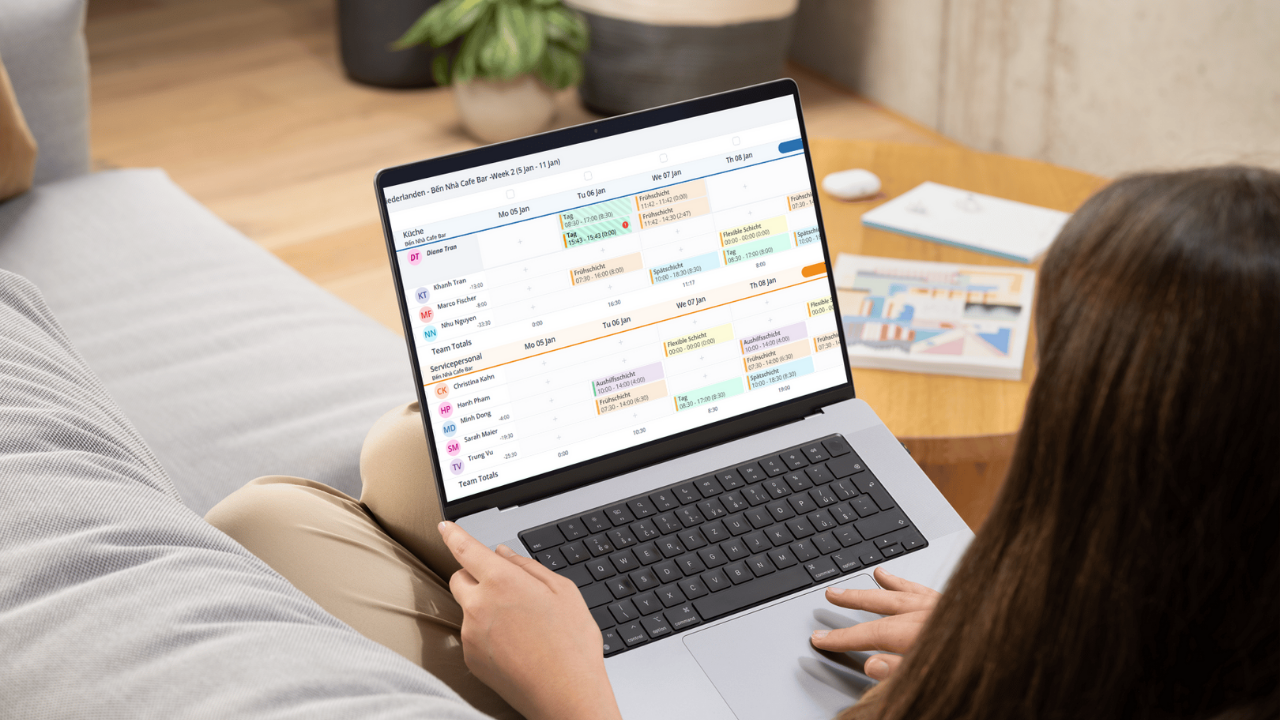
You can manage last-minute changes to your rota without the stress by establishing clear ground rules for swaps and sick leave from the outset and applying them consistently. In practice, problems don’t usually arise because a change has occurred, but because nobody knows exactly what the protocol is when a shift changes at the eleventh hour. Staff get in touch via various different channels, planners are forced to improvise, and the rota becomes disjointed because information is either missing or arrives too late.
By agreeing on set procedures for shift swaps and sick calls, you create a sense of calm and predictability—even when someone calls in sick unexpectedly or needs to trade a shift. This makes it easier to make quick decisions, keep responsibilities clear, and prevent errors.
- 🔄 Confusion-free shift swaps
- 🤒 Clear steps for calling in sick
- 📋 One standard process for last-minute changes
Why do last-minute changes cause so much disruption to the rota?
Last-minute changes cause chaos on the rota because there are often no set protocols for what needs to happen when a shift unexpectedly changes. As soon as someone calls in sick or wants to swap a shift, confusion arises regarding who is responsible for taking action, which communication channel to use, and the expected timeframe for a resolution. Managers are often bombarded with ad-hoc messages, staff are left waiting for a response, and in the meantime, the rota remains up in the air.
Expectations also play a major part. Staff aren't always sure whether they are responsible for finding cover themselves or if that task falls to the manager. In turn, managers may not know if a change is already finalised or still under discussion. This lack of clarity drains time and energy, as the same questions have to be answered repeatedly. Without a standard procedure, every last-minute change becomes a fresh source of stress—even though the problem is often easily avoidable with clear ground rules.
How can you manage shift swaps without losing control?
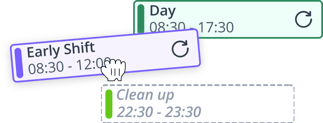
Shift swaps only work effectively when it is clear from the outset what employees can arrange themselves and when a manager needs to step in. Without these ground rules, last-minute questions and confusion arise because everyone has a different idea of what is allowed. By establishing when a shift can be swapped and the required notice period, you prevent swap requests from causing issues at the eleventh hour.
It is also vital to keep responsibilities clear. Employees need to know if they are responsible for finding their own cover, and managers need to know exactly when a swap becomes official. This prevents situations where a shift is left unintentionally uncovered because everyone assumes someone else is dealing with it. Having a set workflow in place brings peace of mind and makes swaps predictable.
How do you manage sickness reporting without the rota grinding to a halt?
Sickness calls often put pressure on the rota because they are unexpected and require immediate action. That is exactly why it’s essential to have a clear protocol for how and when an employee should report an absence. By formalising this, you prevent sick calls from coming in through various different channels, saving precious time that would otherwise be lost to missing or incomplete information.
It also helps to outline the first steps following a sickness report: Who checks the rota, who looks for cover, and at what point is it decided that a shift simply cannot be filled? By defining these responsibilities in advance, the situation remains manageable and there is far less stress when it actually happens.
Finally, documentation is key. Sickness reports that are given verbally or via ad-hoc messages are easily overlooked. By consistently recording absences, the rota stays up to date and everyone knows where they stand. This provides clarity, even when multiple people are off sick at the same time.
Why do standardised protocols provide peace of mind for managers and staff?
Standardised protocols create stability because everyone knows exactly what is expected of them the moment a change occurs. Rota managers no longer have to decide on the best approach case-by-case, and staff know in advance which steps they need to follow. This reduces hesitation and allows for quicker action without compromising the integrity of the rota.
For managers, this translates to better oversight. Instead of making ad-hoc judgements for every situation, they operate according to agreed procedures. This ensures decisions are consistent and much easier to justify to the team. It saves time and prevents post-event disputes, as the reasoning behind every decision is transparent.
Staff also benefit from the clarity that set protocols provide. They know exactly when they need to take the initiative and when the manager will take over. This lowers the barrier to reporting a change and prevents frustration, as expectations are clearly defined from the outset.

Written by:
Rinaily Bonifacio
Rinaily is a renowned expert in the field of human resources with years of industry experience. With a passion for writing high-quality HR content, Rinaily brings a unique perspective to the challenges and opportunities of the modern workplace. As an experienced HR professional and content writer, She has contributed to leading publications in the field of HR.
Disclaimer
Please note that the information on our website is intended for general informational purposes and not as binding advice. The information on our website cannot be considered a substitute for legal and binding advice for any specific situation. While we strive to provide up-to-date and accurate information, we do not guarantee the accuracy, completeness and timeliness of the information on our website for any purpose. We are not liable for any damage or loss arising from the use of the information on our website.